Challenge Course, Ropes Course, Zip Line & Adventure Park Inspections

Professional Inspections You Can Trust, From a Company With Over 45 Years of Experience
Need an annual inspection, an independent third-party inspection, or an evaluation of a newly built or damaged course?
Challenge Design Innovations (CDI) provides professional inspection services for challenge courses, ropes courses, zip lines, aerial adventure parks, and climbing facilities across the United States.
Since 1980, we've designed, built, inspected, maintained, and supported adventure facilities for camps, universities, municipalities, commercial operators, and other organizations.
Today, our inspection team completes more than 185 professional inspections annually. As an ACCT International Accredited Professional Vendor, we understand the standards, structural systems, equipment, and operating requirements that affect your facility.
And we don't just inspect courses we built. We routinely inspect courses constructed by other companies.
Whether you're preparing for your operating season, meeting an insurance requirement, evaluating an incident, or preparing to open a new facility, CDI can help.
[Schedule a Professional Inspection]
Our Four Professional Inspection Services
Different situations require different types of inspections. CDI helps course owners and operators select the service that fits their facility, regulatory requirements, and current needs.
01 / ANNUAL INSPECTIONS
Annual Challenge Course Inspections
Routine professional inspections that evaluate your course's structures, elements, cables, equipment, and condition. Ideal for recurring inspection requirements, preseason planning, and ongoing facility maintenance.
02 / THIRD-PARTY INSPECTIONS
Independent Third-Party Inspections
Objective evaluations by a qualified inspector independent of the course's construction or operation, as required by certain regulations, contracts, or insurance policies.
Explore Third-Party Inspections
03 / POST-INCIDENT REVIEWS
Post-Incident Reviews & Inspections
Detailed evaluations following an incident, equipment problem, or unexpected event. We examine relevant physical systems, documentation, and operating procedures to identify findings and recommend corrective actions.
04 / COMMISSIONING & ACCEPTANCE
Commissioning & Acceptance Inspections
Inspections performed before opening a new or significantly modified course. We review the completed installation against applicable design documents, requirements, and operating systems to identify issues before the facility enters service.
Explore Commissioning Inspections
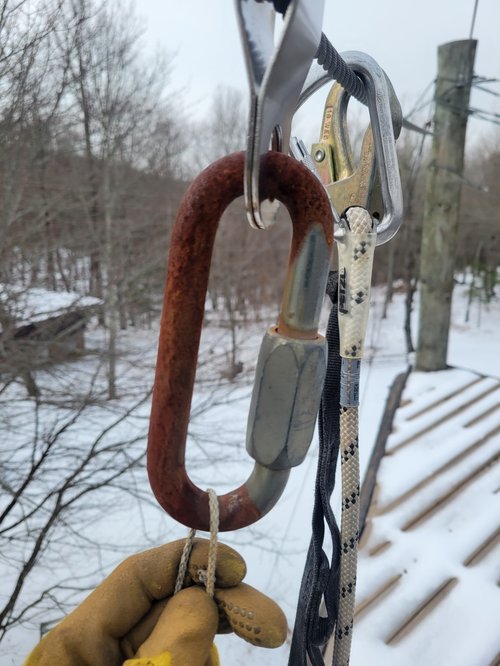
What Do You Receive From a CDI Inspection?
A professional inspection should give you more than a checklist. You need to understand what was inspected, what was found, what needs attention, and what to do next.
CDI's inspection process provides practical information you can use to manage your facility.
Thorough Course and Equipment Evaluation
Our inspectors examine applicable structural components, course elements, cables, connections, belay systems, operational equipment, and environmental conditions.
The specific scope depends on your course and the type of inspection requested.
Minor Repairs During the Inspection
When appropriate, CDI inspectors can address certain minor maintenance issues during the visit, such as tightening hardware, making permitted cable adjustments, or replacing small components.
For CDI's standard inspection service, minor repairs of this kind may be performed without additional labor charges, with material costs charged separately. Larger repairs require separate arrangements.
Initial Findings Before We Leave
At the end of the inspection, we review the findings with your owner or manager, discuss immediate concerns, and answer questions.
You'll receive an Initial Findings Report on the day of the inspection, followed by a detailed written report.
Comprehensive Written Inspection Report
Your final report documents the inspection findings and identifies items requiring attention. It provides a record for maintenance planning, organizational management, and applicable insurance or regulatory purposes.
CDI can also help you understand repair options and next steps when deficiencies are identified.
Why Choose CDI for Professional Course Inspections?
Not all inspectors bring the same experience to a course.
CDI's team works with challenge courses and zip lines from multiple perspectives. We design them, build them, inspect them, maintain them, and train the people who operate them.
That practical experience helps our inspectors understand how individual components fit into the entire system.
When you choose CDI, you benefit from:
- Decades of experience: CDI has worked in the adventure course industry since 1980.
- A proven inspection workload: More than 185 professional inspections performed annually.
- ACCT International accreditation: Professional inspection services through an accredited vendor.
- Experience across different course types: Traditional low and high ropes courses, commercial zip lines, aerial adventure parks, and specialty structures.
- Independent inspection options: Third-party services where CDI meets applicable independence requirements.
- Follow-up support: CDI also provides maintenance, repairs, equipment, and staff training.
You don't have to be an existing CDI client to request an inspection. We routinely evaluate courses built by other companies.
Need an Inspection Before Your Next Operating Season?
Many of our clients schedule professional inspections before summer camp, their busiest operating season, or the start of a new academic year.
Others need an inspection for insurance, purchasing, regulatory compliance, or following construction or an incident.
CDI can help determine which inspection service is appropriate and what information we need to prepare a proposal.
Tell us where your course is located, what type of facility you operate, and when you need the inspection completed.
What Does a Professional Challenge Course Inspection Include?
The scope of an inspection varies depending on the course, installed systems, inspection type, and applicable requirements.
A professional evaluation may include the following components.
Structural Components and Course Elements
Inspectors evaluate accessible structural systems, including poles, trees used for support, towers, platforms, bridges, climbing elements, anchors, and other components.
They look for deterioration, damage, unusual movement, wear, and conditions that may affect the structural system.
Cables, Connections, and Life-Safety Systems
Cables, terminations, connectors, belay systems, and other life-safety components require close attention.
Inspectors examine the condition and configuration of applicable systems, looking for damage, deterioration, improper connections, and conditions that require further evaluation.
Participant and Staff Equipment
Depending on the inspection scope, CDI evaluates operational equipment such as helmets, harnesses, ropes, lanyards, trolleys, carabiners, and belay devices.
Some specialized devices require inspection or recertification by their manufacturers. An annual course inspection does not replace manufacturer-required servicing.
Environmental and Site Conditions
The surrounding environment can affect course structures and participant activities.
Inspectors look for relevant site conditions, including erosion, storm damage, tree concerns, drainage issues, and other environmental changes.
Understanding the Four Types of Challenge Course Inspections
1. Annual Professional Inspections
An annual professional inspection provides a documented evaluation of your facility's condition.
For many operators, this is a recurring requirement under applicable industry standards, insurance agreements, operating procedures, or state regulations.
Annual inspections help identify deterioration, damaged components, maintenance needs, and other issues that might not be apparent during routine staff checks.
However, an annual inspection does not replace daily and periodic inspections performed by your staff.
Those routine checks remain important because weather, usage, and environmental conditions can change throughout the year.
Learn more about daily, periodic, and annual challenge course inspections.
2. Independent Third-Party Inspections
A third-party inspection is an evaluation performed by a qualified inspector who meets applicable independence requirements.
Some jurisdictions, insurance providers, construction contracts, and owners require inspections by a company that was not responsible for building or operating the facility.
A third-party inspection may be appropriate when:
- A state or local regulation requires an independent inspector.
- An insurance carrier specifies third-party inspection requirements.
- An owner wants an outside evaluation of a course.
- A new installation needs independent verification.
- A facility has concerns about a previous inspection or repair.
CDI can provide third-party inspections when it meets the applicable independence criteria for the project.
Learn More About Third-Party Inspections
3. Post-Incident Reviews and Inspections
An incident may raise questions about equipment, structures, staff actions, operating procedures, or environmental conditions.
A post-incident review examines relevant information to help determine what occurred and identify potential contributing factors.
Depending on the situation, CDI may review:
- Course elements and structural components.
- Equipment involved in the event.
- Incident reports and available documentation.
- Operating procedures and emergency response plans.
- Staff training and applicable records.
- Environmental or site conditions.
Our goal is to provide an objective evaluation with documented findings and recommendations.
The scope of the review depends on the available evidence, the circumstances of the incident, and any legal, insurance, or regulatory requirements.
When an incident occurs, affected equipment should be removed from service and relevant evidence preserved until appropriate evaluations can be performed.
Learn More About Post-Incident Reviews
4. Commissioning and Acceptance Inspections
A newly constructed course should undergo appropriate evaluation before opening.
Commissioning and acceptance inspections help determine whether the completed installation conforms to the applicable design documents, engineering requirements, contract specifications, and standards.
Depending on the scope, the inspection may include:
- Reviewing the installed structures and course elements.
- Evaluating cables, anchors, connections, and safety systems.
- Comparing the installation with available engineering documents.
- Reviewing required operating equipment and documentation.
- Identifying incomplete work or deficiencies before acceptance.
These inspections can also apply after major modifications or renovations.
A commissioning inspection provides documented findings that help owners, builders, and other project stakeholders address outstanding issues before operation. It does not automatically replace permits, government approvals, or other required commissioning steps.
Learn More About Commissioning & Acceptance Inspections
How CDI's Inspection Process Works
- Tell us about your course.
Contact CDI with the facility location, course type, inspection needs, and preferred schedule. - We confirm the scope and schedule.
Our team discusses the relevant inspection requirements and prepares a proposal based on the facility and requested service. - Our inspectors evaluate your facility.
CDI's professional inspectors conduct the agreed assessment, documenting findings and identifying conditions that require attention. - Review initial findings with your team.
At the conclusion of a standard inspection, we explain important observations and provide an initial findings report. - Receive your comprehensive written report.
You'll receive inspection documentation with findings and recommendations. If needed, CDI can discuss maintenance and repair services.
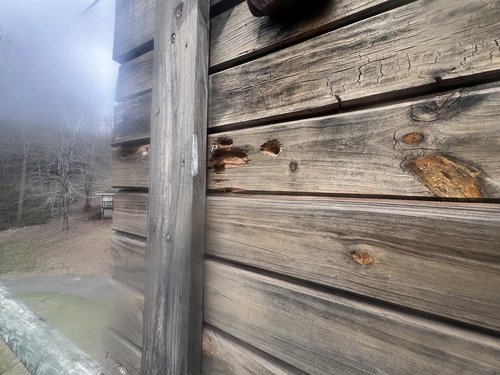
How Much Does a Challenge Course Inspection Cost?
Inspection costs depend on the size, complexity, location, and type of facility being evaluated.
A small low ropes course has different inspection requirements than a large commercial aerial adventure park with numerous elements, elevated platforms, zip lines, and specialized systems.
Factors affecting inspection pricing include:
- Number and complexity of elements.
- Size and height of the facility.
- Types of belay and operational systems.
- Amount of equipment being inspected.
- Inspection location and travel requirements.
- Accessibility of course components.
- Required documentation or specialized inspection scope.
- Whether the inspection involves incident analysis or construction verification.
CDI can prepare a proposal after reviewing your facility and inspection requirements.
For organizations operating multiple courses or locations, coordinating inspections may offer scheduling and travel efficiencies.
What Happens if Your Course Fails Inspection?
Not every deficiency means an entire course must close.
Some findings involve routine maintenance, while others require repairs, replacement components, further engineering evaluation, or restrictions on operation.
The appropriate response depends on the condition identified and its effect on the facility.
CDI helps course owners understand the findings and determine what action is needed.
Our team also provides professional challenge course maintenance and repair services, including work on courses built by other companies.
Repairs, required follow-up evaluations, and return-to-service decisions must be handled according to the applicable standards and operating requirements.
Inspections for Camps, Universities, Municipalities, and Commercial Operators
CDI works with facilities that serve different populations and have different operating schedules.
Summer camps may need inspections before their summer season. Universities may schedule work around academic calendars. Municipalities may require formal documentation for purchasing or risk management. Commercial adventure parks may need to coordinate inspections around busy visitor periods.
Our inspection services support organizations operating challenge courses, ropes courses, zip lines, climbing facilities, and aerial adventure parks nationwide.
Whether you operate one course or manage multiple facilities, CDI can help you plan professional inspection services around your needs.
More Than Inspections: Ongoing Support for Your Course
An inspection identifies conditions that may require attention, but owners also need a plan for addressing those findings.
CDI provides more than professional inspections. Our services include course maintenance and repairs, staff training, practitioner certification, operational reviews, replacement equipment, and course renovations.
That means you can work with CDI to identify an issue, understand its implications, and develop the appropriate next steps.
For operators who also need an assessment of staff procedures, operational documentation, and program management, CDI offers a separate Operations Review service.
Schedule Your Professional Challenge Course Inspection
Whether you're due for your annual inspection, need an independent third-party assessment, are responding to an incident, or preparing to open a new facility, CDI can help.
More than 45 years of experience. Over 185 professional inspections each year. Nationwide service.
Tell us what type of course you operate and which inspection you need.
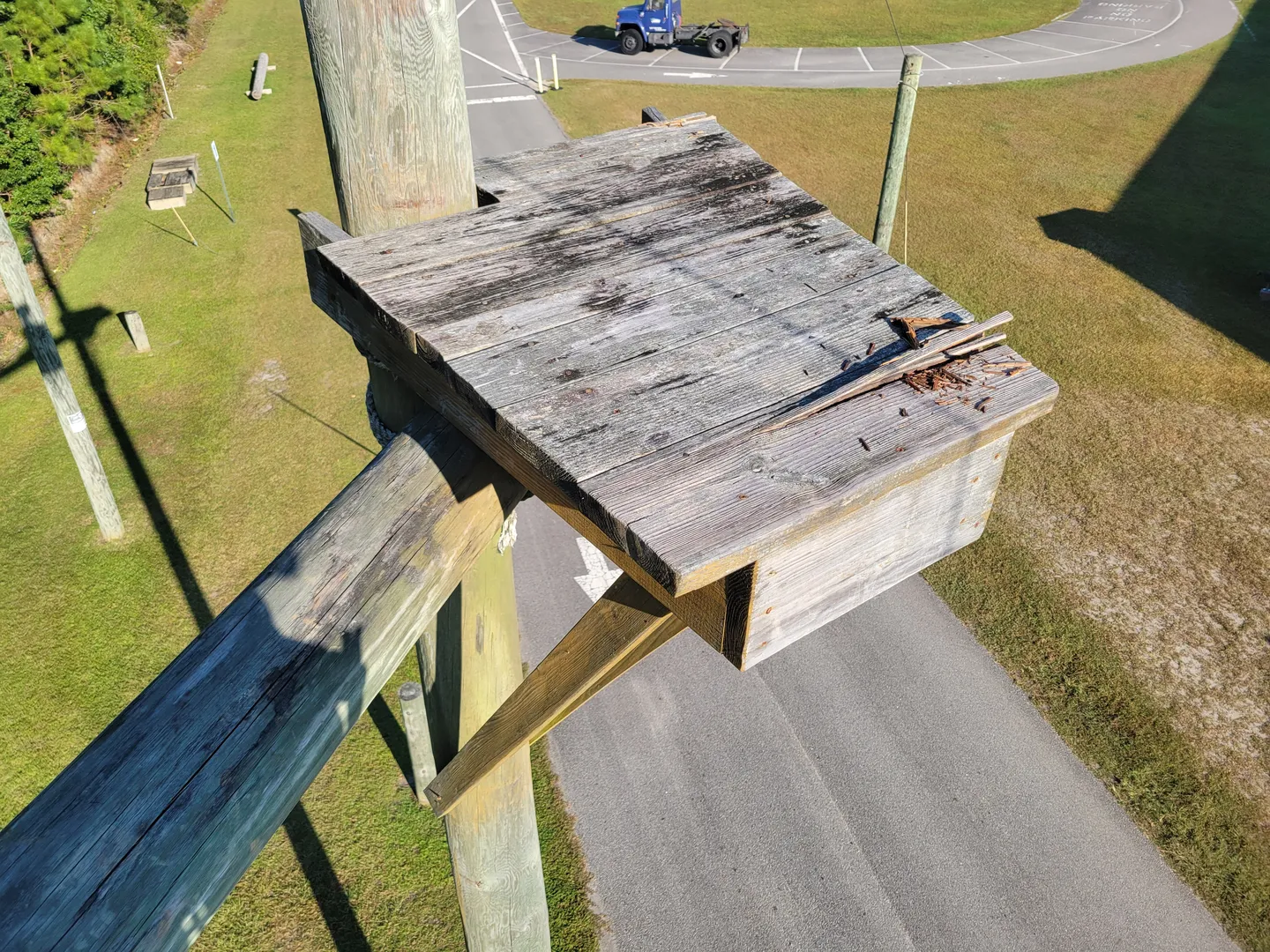
Frequently Asked Questions About Challenge Course Inspections
How often does a challenge course need a professional inspection?
Many challenge courses require a professional inspection at least annually under applicable standards, regulations, manufacturer requirements, or insurance policies. Additional inspections may be needed after certain incidents, significant modifications, or unusual events. Daily and periodic inspections by the operator remain important between professional visits.
Does CDI inspect courses built by other companies?
Yes. CDI routinely inspects challenge courses, zip lines, and aerial adventure parks built by other companies. You do not need to be an existing CDI customer to request an inspection.
What is the difference between an annual inspection and a third-party inspection?
An annual inspection describes the recurring inspection schedule. A third-party inspection describes the independence of the inspector. An annual inspection can also qualify as a third-party inspection when the inspector meets the applicable independence requirements.
What does CDI inspect during an annual ropes course inspection?
Depending on the facility, CDI examines structural components, course elements, cables, connections, belay systems, operational equipment, and relevant environmental conditions. The specific scope is established according to the facility's configuration and inspection requirements.
Does CDI provide an inspection report?
Yes. For standard course inspections, CDI provides an initial findings report on the inspection day and a comprehensive written report afterward. The report documents relevant findings and items requiring attention.
Can CDI perform repairs during an inspection?
Our inspectors can often complete minor maintenance tasks during a standard inspection, when appropriate and within the agreed scope. Larger repairs may require additional materials, staff, engineering, or a separate service visit.
Can CDI inspect a zip line or aerial adventure park?
Yes. CDI provides professional inspections for commercial zip lines, canopy tours, traditional challenge courses, ropes courses, and aerial adventure parks. We evaluate applicable structural, operational, and life-safety components based on the facility and inspection scope.
Is a professional inspection required before opening a new course?
Applicable standards, contracts, insurance conditions, and local laws may require commissioning or acceptance inspections before a new or substantially modified course begins operation. CDI provides commissioning and acceptance inspection services to help owners address these requirements.
What should I do after an incident on my course?
Address immediate safety and emergency needs, restrict access to affected systems, preserve relevant equipment and records, and follow applicable reporting requirements. CDI can discuss an appropriate post-incident inspection and review. Avoid changing or discarding potentially important evidence before it has been properly documented.
How long does a professional course inspection take?
Inspection duration depends on the course's size, number of elements, accessibility, installed systems, and equipment inventory. CDI can estimate the time required after reviewing the facility's details.
Does CDI provide inspections nationwide?
Yes. CDI provides inspection services across the United States. Scheduling, travel, and pricing depend on the facility's location and inspection requirements.
Can CDI help with insurance or state inspection requirements?
Yes. CDI can review the inspection services requested by your insurance provider or regulatory authority and discuss the appropriate scope. Requirements vary by jurisdiction and policy, and the responsible authority ultimately determines whether submitted documentation satisfies its requirements.
Does passing an annual inspection guarantee a course is safe for the next year?
No. An inspection documents conditions observed during the assessment. Weather, usage, damage, and other changes can affect a course afterward. Operators must continue required routine inspections, maintenance, staff training, and risk management activities.
How do I schedule a challenge course inspection with CDI?
Contact CDI with your facility location, course type, approximate number of elements, requested inspection type, and preferred dates. Our team can discuss the scope and provide information about scheduling and pricing.