Challenge Course Staple Climbs: Uses, Safety, and Maintenance
They may not be the most exciting part of a challenge course, but staple climbs play an important role in how people can access and maintain elevated course elements.
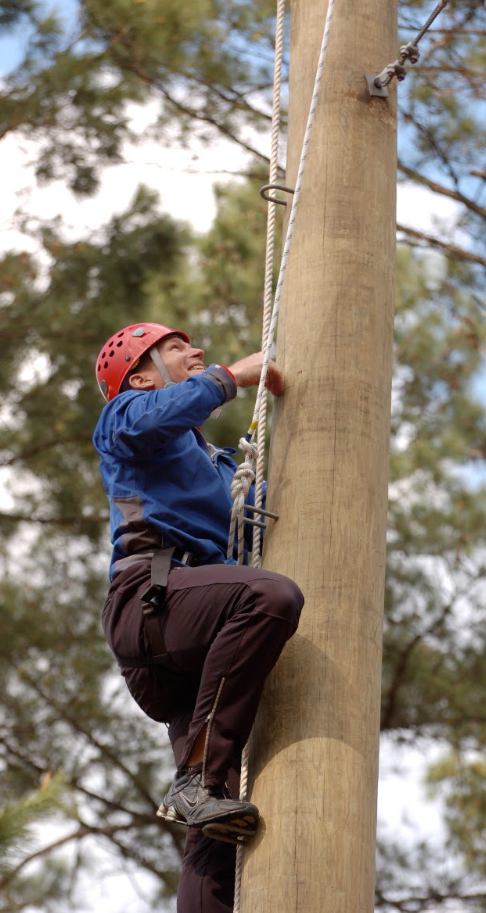
You've probably seen them. Those metal U-shaped steps installed along a utility pole or tree, creating a ladder that leads up to the course.
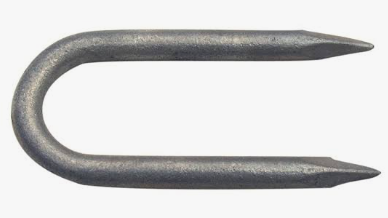
They're simple, durable, and useful for everyone from course facilitators to inspectors and maintenance crews. But there's more to a staple climb than a series of metal steps.
A properly designed staple climb needs to provide reliable access while working with a separate fall protection system.
Let's look at how staple climbs work, who uses them, and what course owners should know about their installation, inspection, and maintenance.
What Is a Staple Climb on a Challenge Course?
A staple climb is a series of heavy-duty steel staples installed into a wooden pole or tree to create a vertical climbing route.
Think of it as fixed ladder steps built directly into the structure supporting your challenge course.
Staple climbs are commonly found on traditional high ropes courses, especially those built using wooden utility poles.
Depending on the course design, they can serve several purposes:
- Staff access: Allowing facilitators to reach elevated elements to set up or take down elements, set rescue bags in place, or get to their work station.
- Inspection access: Giving inspectors a way to reach components that require closer examination.
- Maintenance access: Helping trained personnel reach cables, hardware, and other equipment.
- Participant access: Providing a route to elevated course elements when used with an appropriate belay system.
- Course transitions: Giving participants additional handholds or footholds when moving between belay connections.
One of the biggest advantages of staple climbs is that they provide a permanent access route without requiring staff to set up a portable ladder every time they need to reach the course.
Staple Climbs Are Not Fall Protection Anchors
Here's one of the most important things to understand about staple climbs:
The staples themselves are not approved fall protection attachment points.
Staples are intended to serve as handholds and footholds. They should not be used as clip-in points for fall protection.
The problem is that the load-bearing strength of an individual staple cannot be reliably established simply by looking at it. Its performance depends on factors including installation, the supporting wood, and the condition of the connection.
A staple that provides an adequate foothold is not necessarily capable of safely arresting a fall.
Challenge courses must use properly designed fall protection systems and approved anchors that meet the applicable requirements of the ANSI/ACCT standards.
For course operators, that means making sure staff understand the difference between a climbing aid and a fall protection anchor.
Who Uses Staple Climbs?
Facilitators and Course Staff
Staff members often need access to elevated course elements before participants arrive.
They may be setting up belay systems, preparing activities, inspecting equipment, or taking down a course at the end of the day.
Staple climbs provide an established route for these tasks.
Depending on the course design, trained staff may use a compatible prusik-based system, cable grab, or a series of designated Leading Edge Anchor Points (LEAP anchors) for protection while climbing.
Each system has its own equipment requirements, limitations, and procedures.
Inspectors and Maintenance Personnel
Professional inspectors and maintenance crews need to reach areas that participants may never see up close.
That includes cable connections, hardware, elevated platforms, and structural components.
Staple climbs can make these locations easier to access without extensive additional setup.
For course owners, this can be especially useful when routine inspections and maintenance are needed throughout the operating season.
Challenge Course Participants
Participants may also use staple climbs to reach elevated course elements.
However, their fall protection arrangements are typically different from those used by trained staff.
Depending on the course design, participants may use a managed vertical belay system connected to an approved overhead anchor or belay cable.
The system must be appropriate for the course, the participant, and the operating procedures.
A staple climb designed for staff access should not automatically be considered suitable for participant use.
Common Fall Protection Systems for Staple Climbs
Several types of access systems have traditionally been used alongside staple climbs.
Prusik Climbing Systems
A prusik climbing system uses a rope and a friction hitch that can move along the rope when managed correctly.
These systems can allow trained staff to move up and down a designated access route.
Proper rope selection, anchor configuration, hitch compatibility, and user training are essential.
Cable Grab Systems
A cable grab system uses a compatible device that travels along a vertically installed cable.
The device moves with the climber and is designed to engage under specified conditions.
Cable condition, alignment, tension, anchorage, and device compatibility can all affect how the system performs.
LEAP Anchor Systems
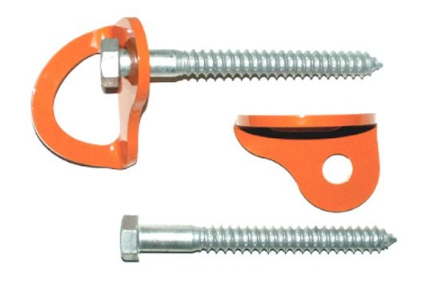
LEAP stands for Leading Edge Anchor Point.
These designated anchors provide attachment locations for compatible personal fall protection equipment.
A series of anchors may be installed along an access route to allow trained personnel to maintain protection as they climb.
Unlike climbing staples, these anchors are specifically designed and installed for their intended fall protection function.
Important: None of these systems should be installed, selected, or used based solely on a general description. Their suitability must be established through the course design, applicable standards, manufacturer instructions, and qualified personnel.
How Are Staple Climbs Installed?
Staple climbs may look fairly straightforward, but installation requires careful planning.
Traditionally, galvanized steel staples have been used in different lengths depending on whether they're being installed into utility poles or living trees.
The original construction guidance discussed 6-inch staples for poles and 8-inch staples for trees, with typical vertical spacing of approximately 13 to 16 inches.
Installing Staples on Utility Poles
For pole-based challenge courses, builders typically determine the climbing route before installing the staples.
Important considerations include:
- The intended users of the climb.
- The condition and dimensions of the pole.
- Consistent, usable handhold and foothold spacing.
- Adequate clearance from other course components.
- Access to the appropriate belay or fall protection system.
- Preventing unauthorized access from ground level.
When possible, some installation work may be completed before a new pole is placed into the ground.
This can make the construction process easier and reduce the amount of work performed at height.
Installing Staples in Living Trees
Tree-mounted staple climbs require additional consideration.
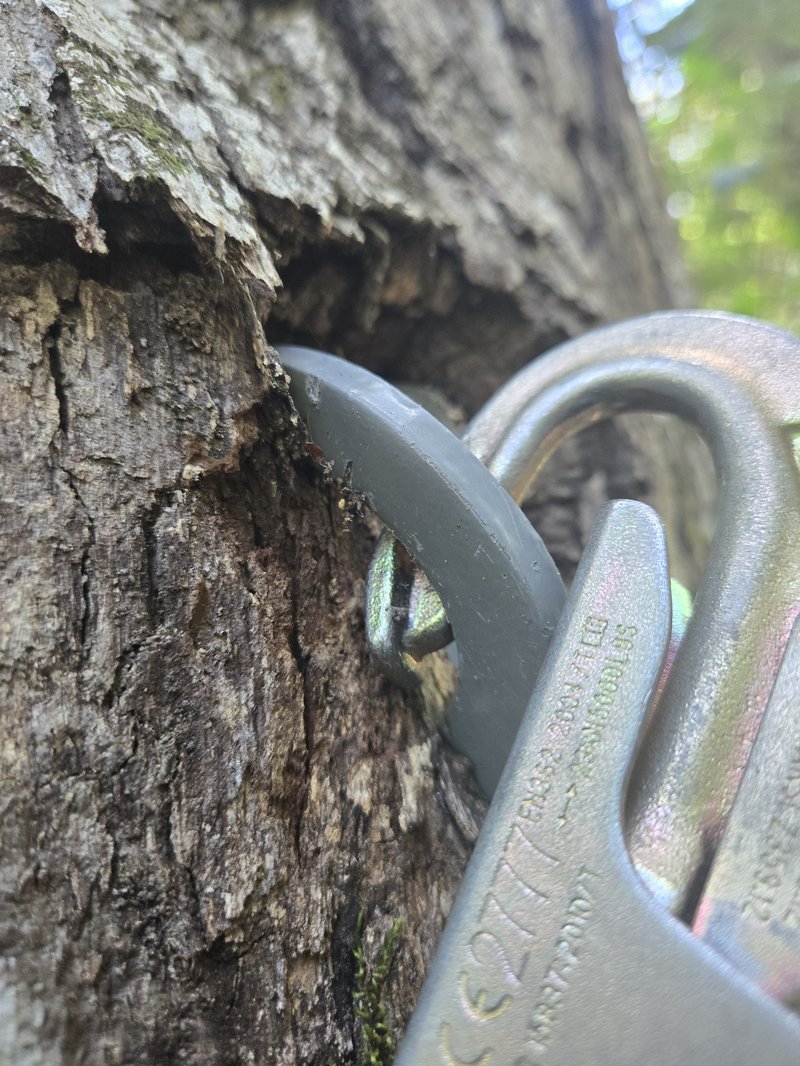
Unlike utility poles, trees continue to grow and change.
The installation needs to account for tree health, growth, movement, and the long-term condition of the attachment points.
Tree-mounted hardware should be periodically evaluated for changes that could affect its function.
If a tree grows around hardware or the surrounding wood deteriorates, the climb may need professional attention.
The Importance of Function Testing
Before a new staple climb is placed into service, the completed access system should be evaluated.
That includes more than checking whether the staples feel secure.
The full climbing route, fall protection system, clearances, transitions, and intended operating procedures should be reviewed.
For participant access, it's particularly important to confirm that the climbing route works for the people who will use it.
A system that works well for an experienced builder may not be appropriate for a first-time participant.
Staple Climb Inspections and Maintenance
Like other challenge course components, staple climbs need regular attention.
Even a well-installed climb can experience changes over time.
Weather, moisture, wood deterioration, corrosion, repeated use, and movement of the supporting structure can all affect its condition.
During inspections, several areas deserve particular attention.
1. Loose or Damaged Staples
Look for movement, visible damage, deformation, and other signs that a staple may no longer be properly secured.
A staple that moves under normal use should be taken out of service pending evaluation.
2. Wood Condition
The condition of the supporting wood matters just as much as the metal staple.
Inspectors should look for deterioration, splitting, decay, or other changes around the attachment points.
This is especially important with older poles and living trees.
3. Corrosion and Wear
Galvanized steel is intended to resist corrosion, but it isn't immune to deterioration.
Exposed metal should be examined for rust, wear, or damage that could affect performance.
4. Fall Protection Components
The climbing staples are only one part of the access system.
Ropes, cables, anchors, connectors, and other fall protection components also need to be inspected according to their applicable requirements.
5. Access and Clearance
Changes to platforms, cables, belay systems, or surrounding structures may affect how someone uses the climb.
Make sure the route remains suitable for its intended purpose.
If your facility has been renovated or modified, the staple climb and associated access system should be included in that evaluation.
When Should You Upgrade or Replace a Staple Climb?
Not every older staple climb needs to be replaced.
But age alone also doesn't tell you whether a climb is still suitable.
Consider having the system professionally evaluated when:
- Staples are loose, damaged, or heavily corroded.
- The supporting pole or tree shows signs of deterioration.
- The existing access system no longer meets operational needs.
- Fall protection components are outdated or incompatible.
- The course is being renovated or expanded.
- Staff report difficulty using the climb.
- Inspection findings raise questions about its condition.
Sometimes the solution may be a repair or replacement of specific components.
Other times, a different access system may make more sense.
The goal is to provide an appropriate way for people to reach the course without creating unnecessary risks or maintenance problems.
Small Components, Important Responsibilities
Staple climbs don't usually get much attention when someone is designing a challenge course.
People tend to focus on the big features: platforms, zip lines, high elements, and bridges.
But those elements still need to be accessed, inspected, and maintained.
And that's where a well-designed access system becomes important.
At Challenge Design Innovations (CDI), we've been designing, building, inspecting, and maintaining challenge courses since 1980.
We understand that the smaller details of a course can have a major impact on how it operates over time.
Whether you're building a new ropes course, maintaining an existing facility, or considering upgrades, we can help evaluate your access systems and identify practical solutions.
Have questions about the condition of your staple climbs or other challenge course components?
Contact Challenge Design Innovations to discuss professional inspections, maintenance, repairs, or course improvements.

Adventure Center of Asheville: Building Outdoor Adventures for the Whole Family

Two Challenge Design Clients Named 2026 Top 10 Aerial Adventure Parks by USA TODAY 10Best
