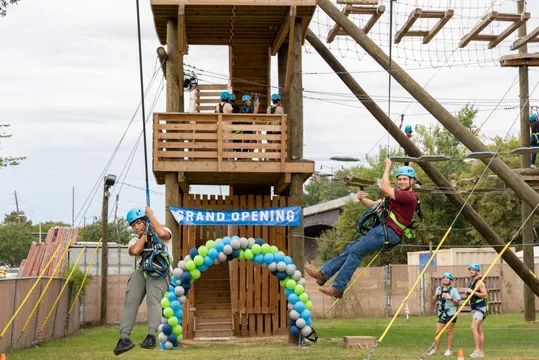
What the Starbucks Bear Cup Can Teach Us About Adventure Park Design
What the Starbucks Bear Cup Can Teach Us About Adventure Park Design
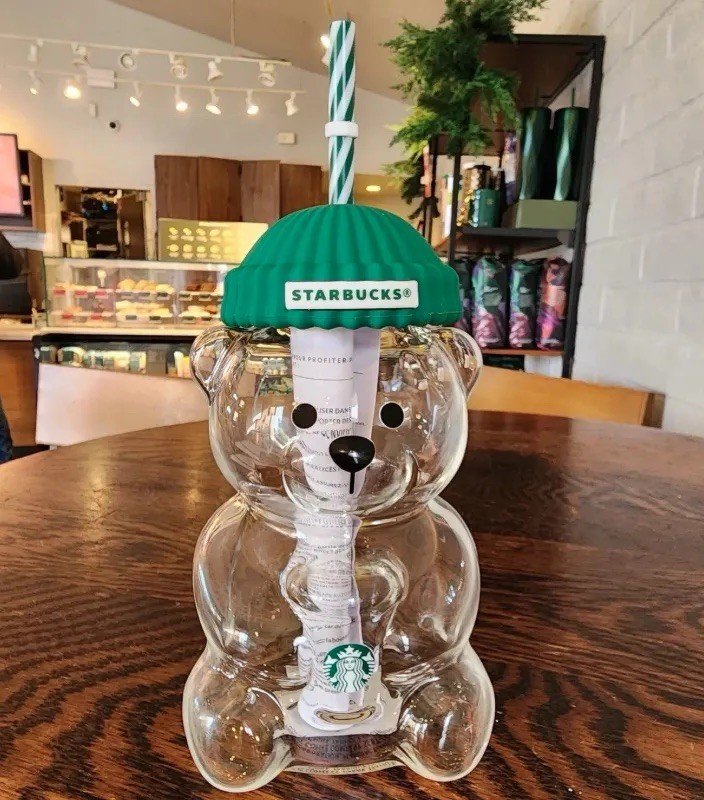
People are going crazy over a bear-shaped coffee cup.
Starbucks brought back its popular Bearista Glass Cold Cup with a new collectible surprise-box collection, and people are sharing their finds all over social media.
It's a cup. A cute one, sure. But still just a cup.
So why all the excitement?
Because it's different. It's recognizable. It's unique.
There's a lesson here for anyone who owns or is planning an aerial adventure park.
You don't necessarily need the biggest or most expensive attraction. You need something people remember, photograph, and talk about.
Make Your Adventure Park Look Like YOUR Adventure Park
Let's face it. A lot of aerial adventure parks have similar features. Poles, platforms, bridges, ropes, and zip lines.
That's not necessarily a bad thing. But what makes yours different from other ones people have done?
Think about what makes your location special.
Are you near the beach? Maybe coastal colors and nautical-themed obstacles make sense.
In the mountains? Incorporate the surrounding landscape, local history, or regional character into your design.
Even simple changes to colors, signs, and decorative features can give your attraction its own personality.
The goal is to create something recognizable and unique. Something that makes people say, "Oh, I know where that is!"
Design Photo Opportunities. Don't Leave Them to Chance.
Here's something we've learned through decades of designing and building adventure parks.
People are more likely to take pictures when they feel comfortable and in control.
You might have an incredible view from a platform 40 feet in the air. But if that platform is small and participants are focused on keeping their balance, they're probably not thinking about taking a family picture.
Larger platforms, where appropriate for the course design, can provide room for participants to stand comfortably, get positioned, and enjoy the moment.
And those platforms should be located intentionally.
Think about:
- The background: Can you frame an exciting obstacle, zipline, or scenic view behind participants?
- The space: Is there enough room for people to position themselves comfortably without interfering with other participants?
- The traffic flow: Will stopping for photos create congestion?
- The branding: Could a well-placed sign identify your park in the picture?
That last point is easy to overlook.
If someone shares an amazing picture from your course, will other people know where it was taken?
A little signage could turn that photo into advertising for your business.
Of course, photo locations must be designed around appropriate fall protection, supervision, and operating procedures. Guests should never need to disconnect from required safety systems or enter restricted areas to get a picture.
First Flight Adventure Park: Give People a Reason to Come Back
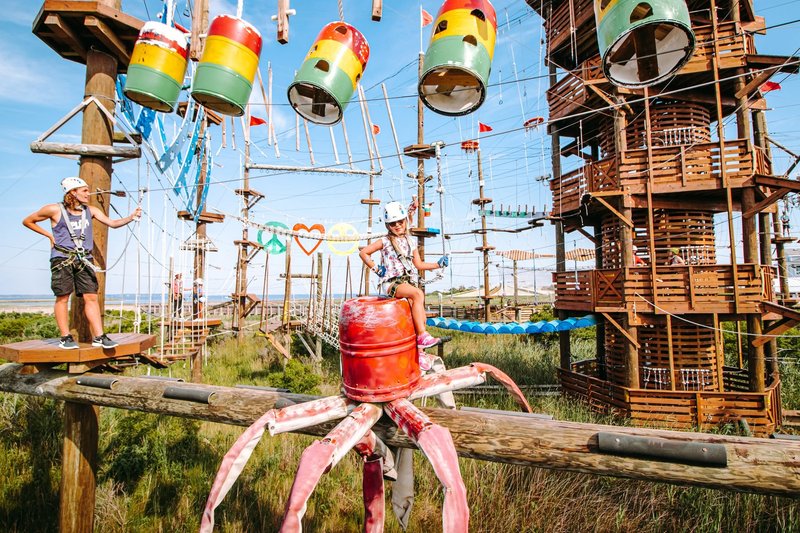
One great example is First Flight Adventure Park in Nags Head, North Carolina.
The owners have put considerable effort into making their park visually exciting, from fun paint colors and a distinctive design scheme to thoughtfully planned photo opportunities.
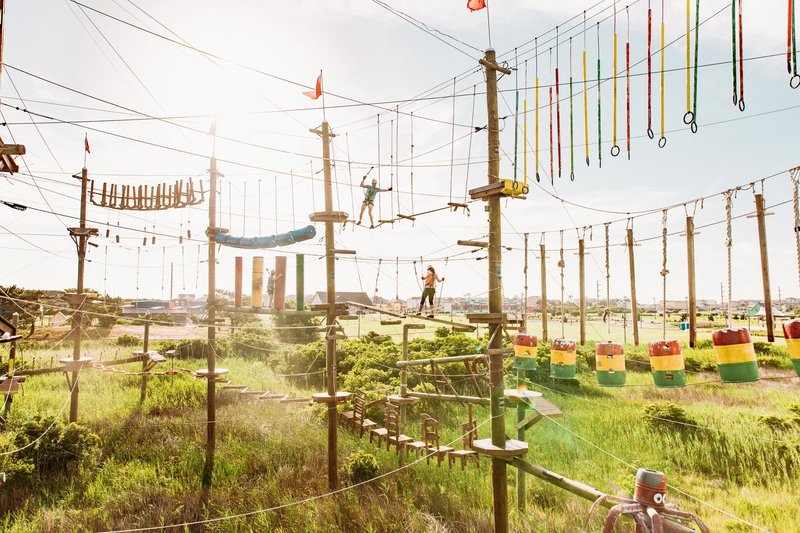
But here's something else they do exceptionally well.
Every winter, they work on adding or changing elements so returning guests have something new to experience.
That gives them something fresh to advertise each season.
And it doesn't always require a major expansion.
Small Changes Can Make a Big Difference
Course owners sometimes assume they need to build more structures to offer something new.
Not necessarily.
You can often keep the existing poles, trees, towers, and platforms while changing the challenge elements between them.
Sometimes the improvements are even simpler:
- Replace an existing obstacle with a different challenge.
- Change handholds to give an element a different appearance or experience.
- Refresh paint colors or decorative features.
- Add themed signs or interesting visual details.
- Improve existing photo opportunities.
These changes can be relatively economical compared with building a whole new section of the course.
Naturally, any modifications affecting the course's structure, loading, fall protection, or participant movement need proper evaluation by qualified professionals.
But the point is simple.
A fresh experience doesn't always require a brand-new course.
Give Guests Something Worth Sharing
The Starbucks Bear Cup didn't become a conversation piece because it was the biggest cup on the shelf.
It stood out as unique.
Adventure parks can do the same.
Create a course that reflects your location or region. Build photo opportunities into the course and overall property. Make sure your business name appears in the pictures people share. And keep giving returning guests something new to discover.
The goal isn't just to build a course people enjoy.
It's to build one they remember, return to, and tell their friends about.
Ready to Make Your Adventure Park Stand Out?
At CDI, we design, build, renovate, and upgrade aerial adventure parks, challenge courses, and zip lines across the United States.
Whether you're planning a new attraction or looking for affordable ways to refresh an existing course, we can help you explore your options.
Contact CDI about your next project.
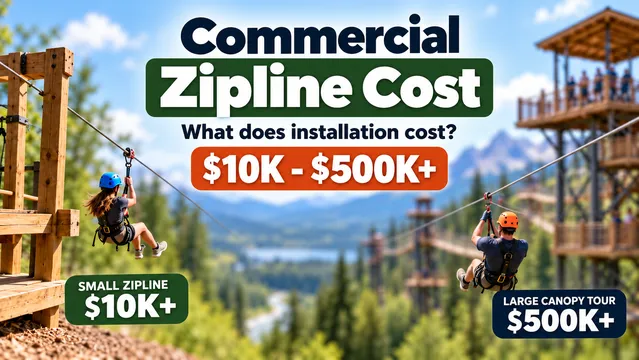
How Much Does It Cost to Install a Commercial Zipline?

Why Municipalities Should Choose CDI to Build Their Aerial Adventure Course